


Sand is probably the most common substrate. Sand doesn’t allow food particles to drop down uneaten into the substrate. And most people like the aesthetics of natural color sand in an aquarium.
 Security policy
(edit with the Customer Reassurance module)
 Delivery policy
(edit with the Customer Reassurance module)
 Return policy
(edit with the Customer Reassurance module)
Fine-grain thin no edges friendly smooth aquarium bottom sand for Bottom fish comfort habitation. It reproduces natural calming under-sea aquascape, however not much suitable for waterlants aquarium.
Highlights:
● Soft on Fish: Safe for delicate barbels (Corydoras, loaches) and burrowing species (some cichlids, rays). Is comfortable to bottom habitants as catfish or hermit crab.
● Clean Look: Provides a smooth, uniform under-sea appearance.
● Natural Sifting: Allows bottom-feeders to filter through it without injury.
Recommended Dosage:
● 20cm tank: ornamental - 0.5~1kg, waterplants - 1~2kg;
● 45cm tank: ornamental - 3~6kg, waterplants - 7~8kg;
● 60cm tank: ornamental - 4~8kg, waterplants - 10~12kg;
● 90cm tank: ornamental - 10~20kg, waterplants - 25~30kg.
Cautions:
● Fine sand is not the best choice for aquatic plants accommodation, because the plant roots can easily loose from the silky fine sand.
● A special attention needs to be paid on the water pump / submersible filter inlet position. Even a small amount of sand can lead to water pump clogging and breakage.


Sand is probably the most common substrate. Sand doesn’t allow food particles to drop down uneaten into the substrate. And most people like the aesthetics of natural color sand in an aquarium.

Sand is probably the most common substrate. Sand doesn’t allow food particles to drop down uneaten into the substrate. And most people like the aesthetics of natural color sand in an aquarium.

Aquasoil artificial sand is made of refined natural volcanic soil. Rich in a variety of minerals and trace elements, it can provide all necessary nutrients required for aquatic plants adequate growth.

Create a realistic aquascape in your aquarium with Aqua Gem decorative gravel. The Coral Gravel is applicable to the water tank and used for partial hard acidification of the fish tank, it can be applied as filter material and fish tank bottom sand, with the cultivation of nitrifying bacteria, helps improve water quality and PH value.

Red Marble Stone makes beautiful nature-like aquascape inside a fish-tank, is convenient to keep water-plants root-cups, and convenient to wash while aquarium cleaning.

Create a realistic aquascape in your aquarium with Aqua Gem decorative gravel. The Coral Gravel is applicable to the water tank and used for partial hard acidification of the fish tank, it can be applied as filter material and fish tank bottom sand, with the cultivation of nitrifying bacteria, helps improve water quality and PH value.

Nutrient gravel mix for beautiful and permanent plant growth in all freshwater aquariums. D-Aquabasis Mix contains the essential nutrients for healthy and vigorous aquarium plant growth. Also it can accumulate the fertilizer to gradually release it to water plants.

Aquarium decorative white marble egg-stones for fish/turtle tanks. Upgrade your aquarium’s foundation with the subtle elegance of Natural Eggstones. Whether you’re building a lush planted tank or a minimalist scape, these stones set the perfect stage for your underwater masterpiece.

Aqua Gem white stone is a perfect substrate to brighten up your home aquarium or outdoor displays. With a ranging size of 2-4cm, this aquatic gravel is completely safe and available in bright white color. It can also be used to brighten up your garden plant pots or planters.
Sand is probably the most common substrate. Sand doesn’t allow food particles to drop down uneaten into the substrate. And most people like the aesthetics of natural color sand in an aquarium.

Expanded Clay Pebbles, universally known as LECA (Lightweight Expanded Clay Aggregate), are a staple in advanced growing techniques like hydroponics, aquaponics, and for improving soil. While expanded clay pebbles are not a direct "algae remover" like a chemical treatment or an algae-eating creature, they work by creating conditions that are unfavorable for algae growth.

Made with the high quality glass, these glass gravels never fade colors and can resist years of use. Gems are guarantee non-toxic lead-free which makes them perfect for aquarium decor. Tumbled finished they look nice and have no any sharp edges. These glass gems have a glossy finish to them, giving them a bit of sparkle.

Yellow Marble Stone makes beautiful nature-like aquascape inside a fish-tank, is convenient to keep water-plants root-cups, and convenient to wash while aquarium cleaning.

Fish tank bottom decoration sand, rice alike natural quartz fine gravel 3-5mm, it's a nice way to enhance the appearance of your aquarium for creative and striking tank displays. An excellent planting medium, thanks to its finer stone size.

Aqua Gem white stone is a perfect substrate to brighten up your home aquarium or outdoor displays. With a ranging size of 1-2cm, this aquatic gravel is completely safe and available in bright white color. It can also be used to brighten up your garden plant pots or planters.
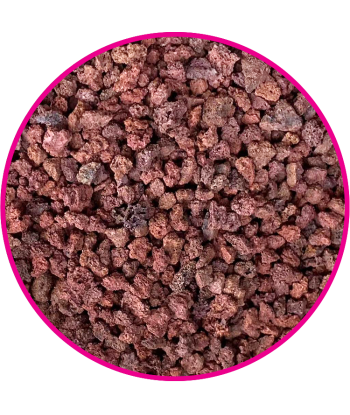
The rough, highly porous surface structure of biofiltration volcanic rock provides very good colonization conditions for purified bacteria. Since it is a natural product, the size of the granules and small pieces in the packaging is different for each piece. It can be washed and reused. It is suitable for both freshwater and seawater.

Black iron stone substrate is a striking and popular option in the aquarium hobby, known for its dramatic, modern look and mineral benefits. Black iron stone is a type of inert, sedimentary rock primarily composed of iron oxide and other minerals like silicon and magnesium.
Sand is probably the most common substrate. Sand doesn’t allow food particles to drop down uneaten into the substrate. And most people like the aesthetics of natural color sand in an aquarium.
Sand is probably the most common substrate. Sand doesn’t allow food particles to drop down uneaten into the substrate. And most people like the aesthetics of natural color sand in an aquarium.